How to Cite
Abstract
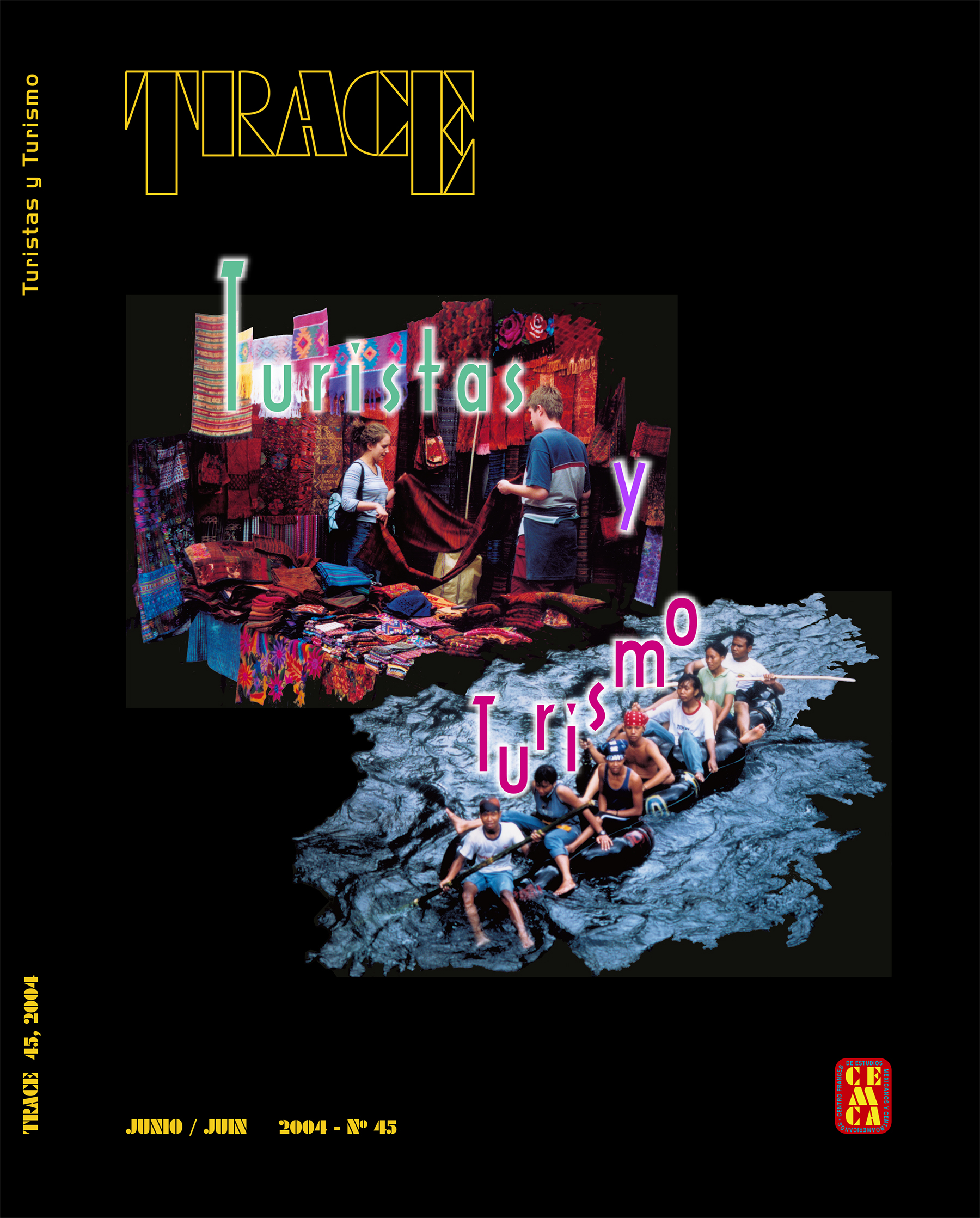
Durante la etapa de fuerte crecimiento del turismo internacional que caracterizó a los últimos decenios del siglo XX, los países del Sur, periferias turísticas de los grandes focos turísticos, se han venido integrando progresivamente al espacio turístico mundial. La caída del muro de Berlín, la apertura de China, la integración de la África del Sur post-apartheid, son otros tantos símbolos que han conferido una nueva dimensión al espacio turístico mundial. Sin embargo, el nuevo contexto geopolítico que marca el inicio del siglo XXI, con los atentados del 11 de septiembre de 2001, las guerras del Medio Oriente y la difusión de un terrorismo internacional en los márgenes de las regiones occidentales, especialmente en ciertos lugares turísticos (Djerba, Kuta, etc.), señala una nueva fase en la historia del turismo: a la difusión general sucede una fase de integración selectiva, así como de olvido de otros territorios que parecen convertirse en agujeros negros dentro del sistema turístico mundial.
In all cases, authors will retain the moral rights established by law and they will yield the right of first publication of their article to the journal. The work is to be registered under the Creative Commons license, which will allow the author or other parties to use what has been published, provided the authorship of the work and the first publication conducted by the magazine are rightfully cited. Similarly, authors should include a link referring to the site of the original publication.

Este obra está bajo una licencia de Creative Commons Reconocimiento-NoComercial 4.0 Internacional.